

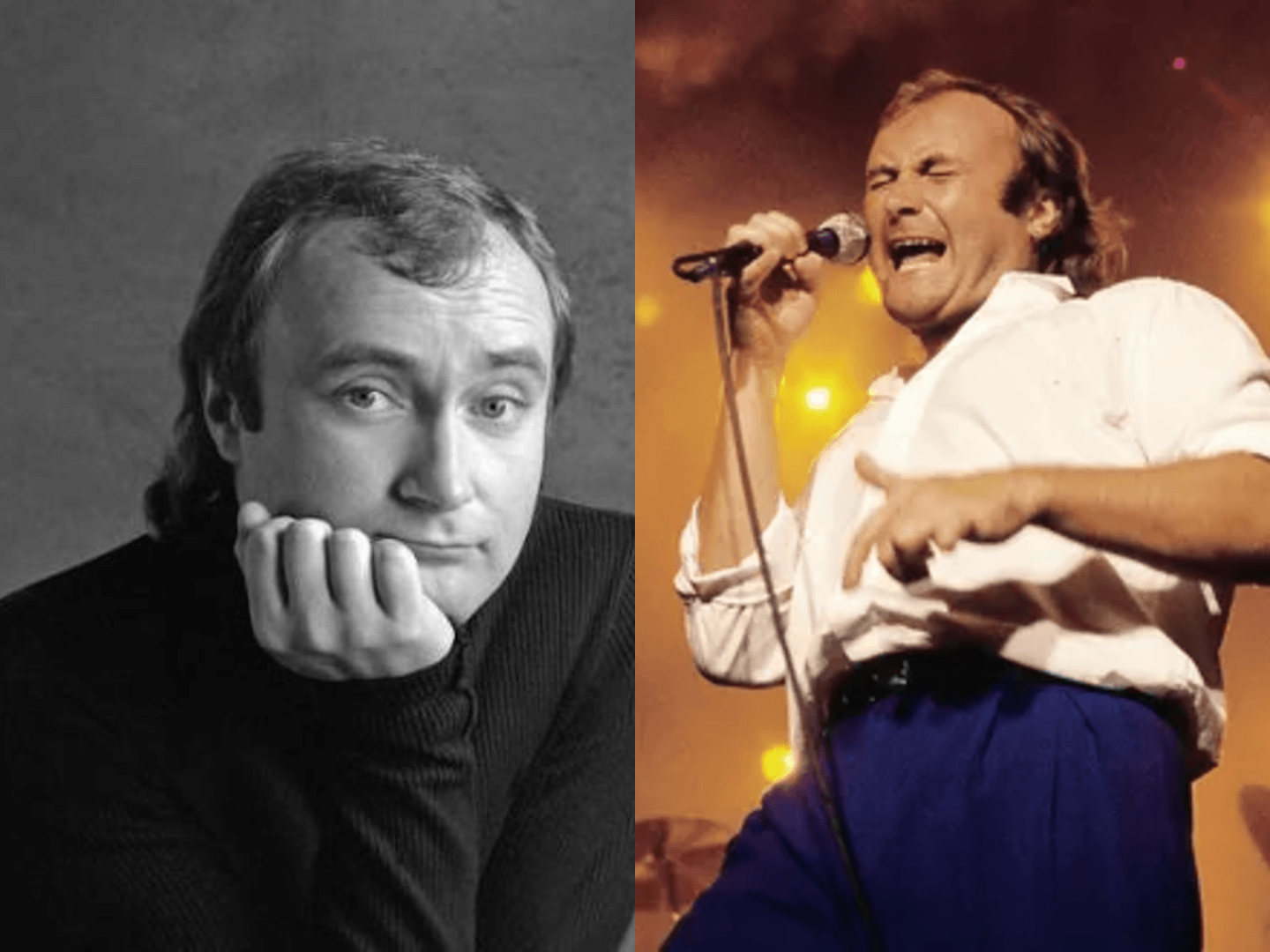
Phil Collins wrote “In the Air Tonight” spontaneously during his 1980 divorce, and the lyrics were improvised rather than based on any real drowning incident. Released in January 1981 as his debut solo single, the song became a defining moment of 1980s pop through its haunting atmosphere and one of music’s most famous drum breaks.
The Song and Its Recording Context
“In the Air Tonight” was the lead single from Collins’ debut solo album Face Value, released in 1981. Collins co-produced the track with Hugh Padgham, who became a frequent collaborator throughout his solo career. The song emerged during a difficult period when Collins was processing the end of his first marriage to Andrea Bertorelli.
Collins has described writing the song around a chord sequence in D minor, which he called “the saddest key of all”. He turned on the microphone and sang the lyrics spontaneously, recording nearly the entire vocal in one take. “I wrote the lyrics spontaneously,” Collins told Rolling Stone. “I’m not quite sure what the song is about, but there’s a lot of anger, a lot of despair, and a lot of frustration”.
What the Song Is Actually About
The most persistent misconception about “In the Air Tonight” is that Collins witnessed a drowning where a man refused to help, then wrote the song about it. Collins has repeatedly stated this story is entirely false. In a 2016 appearance on The Tonight Show Starring Jimmy Fallon, he clarified: “None of it’s true. I was just p***ed off, you know?”.
Speaking to the Associated Press in 2016, Collins explained: “I think the mystery of the song has kept it going. None of it is true because those lyrics were improvised. I don’t know what it’s about. When someone says, ‘I know what it’s about,’ I’ll say, ‘Well, I don’t. Tell me.'”. The song functions as an expression of raw emotion tied to his divorce rather than a literal narrative about any specific event.
The Drum Break and Gated Reverb
The song is defined by its drum break, which arrives over three minutes into the track and transforms the song’s energy completely. This moment was made possible by a production technique called gated reverb, which Padgham is credited with creating.
The effect was discovered accidentally while Collins was recording drums for Peter Gabriel’s third solo album. Padgham had opened a talkback channel to speak with Collins, who did not realize the microphone was live and began playing his drums. The sound came through the control room monitors with a powerful, explosive quality that neither had heard before.
Padgham had an engineer create a separate channel to capture that sound, then added a noise gate to cut the reverb off abruptly rather than letting it fade naturally. The technique was first used on Gabriel’s song “Intruder,” but Collins and Padgham revisited it for “In the Air Tonight” with a specific goal: to have the drums enter late in the song for maximum impact.
Chart Performance and Awards
“In the Air Tonight” reached No. 2 on the UK Singles Chart, held off the top spot by the posthumous release of John Lennon’s “Woman”. In the United States, it peaked at No. 19 on the Billboard Hot 100 but reached No. 2 on the Rock Tracks Chart and was later certified gold by the RIAA for sales of 500,000 copies. The song also reached No. 1 in Austria, Germany, Switzerland, and Sweden.
A remixed and re-released version in 1988 returned the song to No. 4 on the UK Singles Chart. In 2006, VH1 ranked it at No. 35 on its list of the “100 Greatest Songs of the 80s,” and in 2021, Rolling Stone placed it at No. 291 on its “500 Greatest Songs of All Time”.
Cultural Impact and Legacy
The song’s cultural reach expanded significantly through its use in the first episode of Miami Vice, titled “Brother’s Keeper,” which aired on September 16, 1984. The sequence featuring Collins’ song as Detective Crockett drives to a drug deal became what director Thomas Carter called “the prototypical Miami Vice sequence”. The song’s dramatic placement in that scene helped cement its association with the 1980s aesthetic.
In July 2020, the song experienced an unexpected resurgence when Tim and Fred Williams, 22-year-old twins from Gary, Indiana, posted a YouTube reaction video of themselves hearing the song for the first time. Their genuine shock at the drum break, with Fred exclaiming, “I ain’t never seen nobody drop a beat three minutes in the song,” resonated widely. The video drew millions of views and pushed the song back up the iTunes charts, introducing it to a new generation of listeners.
The song remains Collins’ signature solo work. He has acknowledged its weight in his career, telling Dan Rather that calling it “a noose” was a comical remark but reflecting the burden of being so closely identified with one piece of music. Yet the song’s enduring mystery, which Collins himself has never resolved, may be precisely what has kept it alive for over four decades.Is the drowning story behind “In the Air Tonight” true? No. Phil Collins has repeatedly confirmed the drowning legend is entirely false. He wrote the lyrics spontaneously while going through his divorce, describing the song as containing anger and frustration rather than being about any witnessed tragedy .
What is gated reverb and why does the drum break sound so unique? Gated reverb is a production technique where heavy reverb on the drums is abruptly cut short by a noise gate rather than fading naturally . Producer Hugh Padgham discovered the effect by accident while recording Peter Gabriel’s third album with Collins on drums .
Did Phil Collins know what the song was about when he wrote it? No. Collins has stated he sang the lyrics spontaneously without writing them down first . In a 2016 interview, he admitted, “I’m not quite sure what the song is about, but there’s a lot of anger, a lot of despair, and a lot of frustration” .
Where did “In the Air Tonight” first appear on television? The song was famously used in the 1984 pilot episode of Miami Vice . The extended sequence featuring the track helped establish the show’s signature use of popular music to build dramatic tension .
How did “In the Air Tonight” perform on the charts? The song reached No. 2 on the UK Singles Chart in 1981, held off the top spot by John Lennon’s “Woman” . In the United States, it peaked at No. 19 on the Billboard Hot 100 .
