

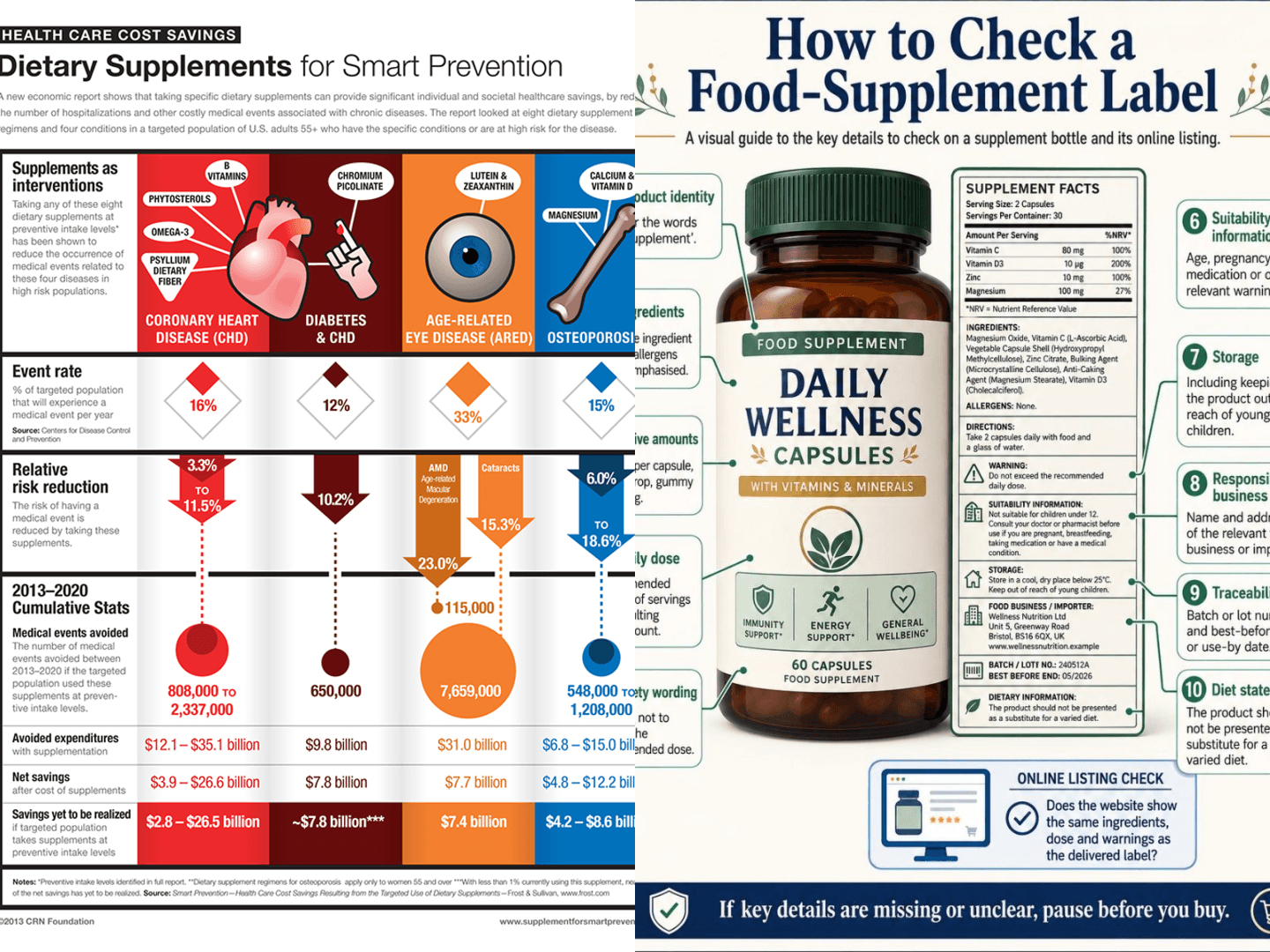
TheWeeklyHealthiness is a recently registered health information website, not a dietary supplement or medical product. The site publishes general wellness content, but independent domain analysis tools have flagged several trust indicators that warrant caution before relying on its advice. The domain was registered on December 11, 2025, making it only about 8 months old as of this writing. A related domain shows similar patterns of recent registration and low visitor traffic.
What Exactly Is TheWeeklyHealthiness?
TheWeeklyHealthiness is best understood as a content website focused on health and wellness topics. Its stated purpose, according to domain registration records, involves sharing smart health tips for a stronger you.
The site appears designed to attract readers searching for general nutrition, fitness, and lifestyle advice. This places it in the same category as countless other health blogs and information portals competing for attention online.
However, it is not a medical provider, a supplement manufacturer, or a healthcare organization. Readers should not confuse it with entities like Mayo Clinic, MedlinePlus, or the National Institutes of Health, all of which employ credentialed medical professionals and undergo editorial review processes.
Trust Indicators and Warning Signs
Independent website analysis tools provide useful data points for evaluating TheWeeklyHealthiness. ScamAdviser, a platform that assesses domain trustworthiness, assigned the site a trust score of 48 out of 100, a rating it describes as average.
The platform flagged several concerns. The domain has very few visitors, according to Tranco rankings. It shares a server with multiple low-rated websites. Its domain registrar is associated with a high percentage of spammers and fraud sites.
These are not definitive proof of malicious intent. They are warning signs that should prompt caution. A new website with low traffic is not inherently dangerous. But combined with a dubious hosting environment, they suggest the site lacks the professional infrastructure of established health publishers.
Why Health Website Credibility Matters
The stakes for health information are uniquely high. Unlike a bad movie review or a flawed restaurant critique, poor health advice can cause direct harm. This principle is why authoritative medical organizations emphasize source verification so strongly.
The Medical Library Association recommends asking several key questions when evaluating any health website. Who sponsors the site? Are the hosts and their qualifications clear? Is the information current? Does it present fact or opinion?
Reputable sources like MedlinePlus, operated by the National Library of Medicine, and Mayo Clinic maintain editorial standards that include physician review and regular content updates. There is no publicly available evidence that TheWeeklyHealthiness employs similar safeguards.TheWeeklyHealthiness Quick Bio
The domain registration date of December 11, 2025 is confirmed by ScamAdviser’s WHOIS data . The trust score of 48 and hosting details are also sourced from ScamAdviser’s technical evaluation .
No verified founder, editor, or owner name appears in public records. Any person claiming to represent TheWeeklyHealthiness personally should be treated with caution until credentials are independently confirmed.
How to Evaluate Sites Like TheWeeklyHealthiness
Readers encountering any new health website should apply a consistent evaluation framework. Start with the domain itself. Government sites ending in .gov and educational institutions ending in .edu generally carry higher trust for health research.
Check whether the site names its authors and their credentials. A byline reading Admin or Staff Writer offers no accountability. Look for citations to peer-reviewed research or official health agencies.
Be especially wary of sites that sell products alongside advice. Similar domain structures have been flagged for selling products often misused by scammers, including supplements.
The Broader Landscape of Health Misinformation
TheWeeklyHealthiness emerges in a crowded and sometimes treacherous online health ecosystem. A cautionary precedent comes from a Canadian health domain that Health Canada investigated in 2010 for using a name confusingly similar to the national health agency.
That site featured fake news logos and sold herbal diet products through deceptive billing practices. One Toronto resident reported being charged **$261** after a free trial she believed would cost about $40.
Joe Schwarcz, director of McGill University’s Office for Science and Society, warned at the time that some herbal weight loss supplements from China contained fenfluramine, an appetite suppressant withdrawn from the market because it caused heart damage.
TheWeeklyHealthiness shares only superficial similarities with that case. There is no public evidence of deceptive billing or dangerous product claims. But the comparison illustrates why vigilance matters.
When to Consult a Professional
General wellness content, even from legitimate sources, cannot replace personalized medical advice. A website cannot examine your symptoms, review your medical history, or account for drug interactions.
Before acting on any health information found online, consult a qualified healthcare provider. A physician or registered dietitian can evaluate whether advice applies to your specific circumstances and health status.
For those seeking reliable online resources, established options include MedlinePlus, MyHealthfinder from the U.S. Department of Health and Human Services, and the NIH Office of Dietary Supplements. These government-backed sources provide verified information without commercial agendas.
What Readers Should Take Away
TheWeeklyHealthiness is a young website with limited visibility and several trust signals that merit skepticism. It is not a supplement, and there is no verified evidence it has harmed anyone.
But the absence of harm is not the same as the presence of trustworthiness. Until the site demonstrates transparent ownership, named authors with credentials, and citations to authoritative sources, readers should treat its content as they would any unvetted online claim.
For health decisions, the safest path remains consulting a licensed professional. For general information, government and academic medical centers remain the most reliable starting points. A domain registered eight months ago on a shared server should not carry more weight than organizations that have earned trust through decades of accountable medical publishing.
Is TheWeeklyHealthiness a dietary supplement or a product I can buy?
TheWeeklyHealthiness is not a dietary supplement, medication, or any physical product. It is a health information website that publishes articles on wellness topics like nutrition and daily habits . The site’s domain registration describes it as offering “Smart Health Tips for a Stronger You” . Readers searching for a supplement with this name will not find one, because no such product has been identified in public records or regulatory databases.
How trustworthy is TheWeeklyHealthiness as a source of health advice?
Independent domain analysis by ScamAdviser assigned the site a trust score of 48 out of 100, which it labels as average . The analysis flagged several concerns, including very low visitor traffic, sharing a server with multiple low-rated websites, and use of a domain registrar associated with spammers and fraud sites . The domain was registered on December 11, 2025, making it only about eight months old . These are warning signs rather than proof of harm, but they suggest the site lacks the established infrastructure of trusted medical publishers.
Should I follow the health advice published on TheWeeklyHealthiness?
You should never rely on any single website, especially a new one with unverified authorship, for medical decisions . Authoritative health organizations like MedlinePlus and Mayo Clinic recommend checking whether a site names its authors and their medical credentials, cites peer-reviewed research, and clearly states its editorial policy . No such transparency has been publicly verified for TheWeeklyHealthiness. General wellness tips cannot replace personalized advice from a licensed physician or registered dietitian who knows your medical history .
What should I look for when evaluating any new health website?
Start with the domain ending. Government sites ending in .gov and educational institutions ending in .edu generally carry higher trust for health research . Check the “About Us” page to identify who runs the site and whether they have medical credentials . Look for citations to scientific studies, and be wary of sites selling products alongside advice . Reputable sources like the National Institutes of Health and the Centers for Disease Control and Prevention maintain editorial standards that include physician review and regular content updates .
